
Laminate, sintered stone, or solid wood: picking surfaces that survive a Malaysian kitchen
By The Hiong Huat workshop
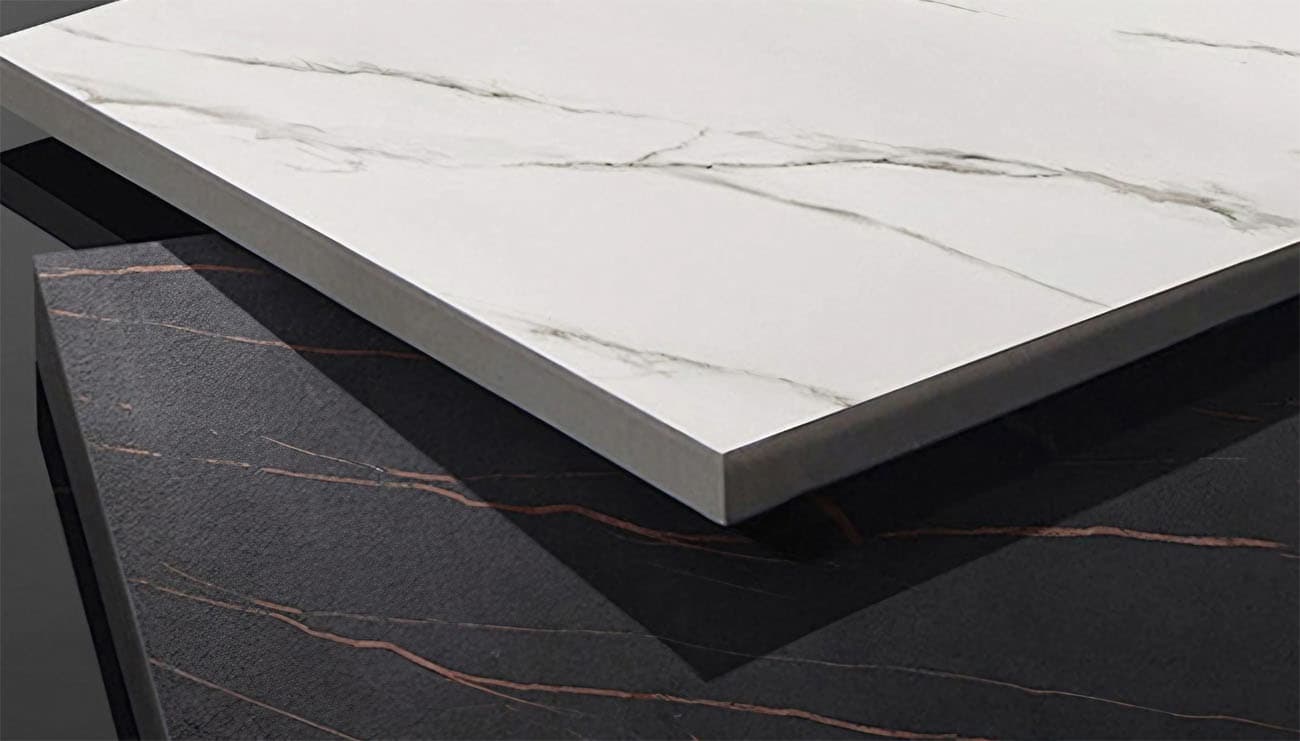
A surface that looks perfect in a showroom and one that still looks good after two years of Malaysian cooking are not always the same surface. Our kitchens run hot, the air is humid most of the year, and plenty of us cook the kind of food that throws oil and steam everywhere. So before you fall for a finish, it's worth knowing how it behaves once it's living in a real kitchen.
Laminate: the sensible default
For cabinet doors, laminate does most of the work in most homes. The choice of colours and textures is huge, it wipes clean, and it shrugs off daily knocks. What kills laminate isn't the surface, it's the edges. Cheap edging lifts wherever steam and water get in, especially around the sink and the dish rack. Edge banding bonded properly is the reason one door still looks sharp after ten years while a cut-price one starts peeling inside twelve months.
Sintered stone: built for the surfaces that take a beating
For countertops and anything that meets a hot pan, sintered stone is hard to beat. It takes the heat, it doesn't stain the way some stones do, and you can set a hot pot down without that small intake of breath. It costs more, so spend it where it earns its keep, the main counter and the cooking zone, instead of wrapping the whole kitchen in it.
Solid wood: lovely, but be honest about upkeep
Real timber has a warmth nothing else quite matches, and people love it on open shelving, a dining piece, or a feature run. But solid wood moves with humidity and asks for the occasional bit of care. In a hard-working wet kitchen, it's usually the wrong call. Where we do use it, we'll tell you plainly what it needs so nothing surprises you later. Most of the time a good wood-grain laminate gives you the look with far less fuss.
A simple way to decide
- Cabinet doors and most boxes: laminate, with the edges done properly.
- Countertop and the zone around the hob: sintered stone or a solid surface.
- Feature shelving, dining, or a piece you want people to notice: solid wood, if you are happy to look after it.
- Anywhere that stays wet, like under the sink and the dish area: moisture-resistant board, no exceptions.
When we plan a kitchen we mix these on purpose, room by room, so the budget goes where the wear is. If you're torn between two finishes, bring the samples in. It's far easier to choose with the actual swatches in your hand and your own kitchen in mind.
Thinking about your own project?
Get a price direction for your space.
Share your property type, rooms, scope, timeline, and location. WhatsApp opens with the details ready so we can reply with a realistic starting point.